Color matching
How to match candy coating to an invitation, swatch or brand color
A repeatable way to match a customer’s color in almond bark or candy melts: read the color properly, test dip, let it set, and compare in daylight.
By the Coco Match team. Updated .
1. Read the color properly
The match can only be as good as the color you start from. In order of reliability:
- A hex code from the designer, the brand guide or the invitation file. It looks like #9ED9D8 and it means one exact color.
- The file on a screen. Open the invitation or logo and pick the color straight from it.
- A photo of the printed piece. Take it in indirect daylight with a sheet of white paper in the frame, so you can see how far the photo has drifted. Avoid kitchen bulbs, which push everything toward yellow.
Printed colors and screen colors never agree exactly. If the customer will hold the treats next to a printed invitation, the print is the one to match, so ask to keep a copy on the bench.
2. Choose the coating first
Dye can darken and shift a coating but never lighten it. Icy and pale colors need the whitest coating, and deep colors need a dark one.Pastels and deep colors each have a guide.
3. Expect to blend dyes
Few customer colors are a single bottle. Sage is not “green, but less”. It is green pulled toward gray and warmed. Here are six real targets, each with a common one-bottle guess and the blend Coco Match’s color model picks, scored out of 100 for closeness.
Robin’s egg pretzel rods
- Target
- One-bottle guess, 59%
- Blended recipe, 97%
Caramel latte Oreos
- Target
- One-bottle guess, 44%
- Blended recipe, 100%
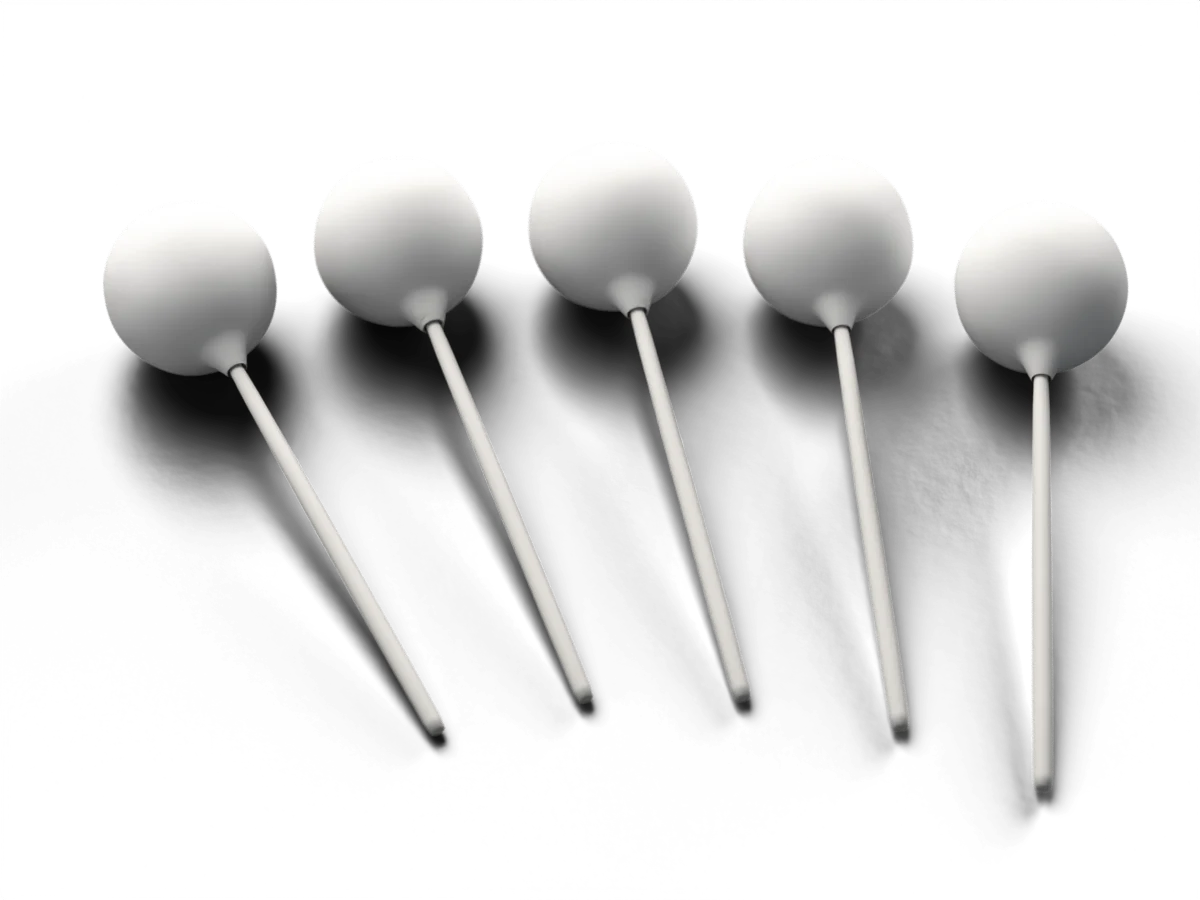
Sage green cake pops
- Target
- One-bottle guess, 76%
- Blended recipe, 100%
Blush pink strawberries
- Target
- One-bottle guess, 91%
- Blended recipe, 96%
Lavender cakesicles
- Target
- One-bottle guess, 68%
- Blended recipe, 80%
Butter yellow crispy bars
- Target
- One-bottle guess, 83%
- Blended recipe, 98%
| Color | One-bottle guess | Blended recipe |
|---|---|---|
| Robin’s egg pretzel rods | Sky Blue, 2 drops per oz of vanilla almond bark | Vanilla almond bark, Cobalt, ¼ drop per oz |
| Caramel latte Oreos | Chocolate, 3 drops per oz of vanilla almond bark | Vanilla almond bark, Orange 1.5 + Chocolate ¼ drops per oz |
| Sage green cake pops | Forest, 4 drops per oz of vanilla almond bark | Vanilla almond bark, Forest 1.5 + Baby Pink ¼ drops per oz |
| Blush pink strawberries | Hot Pink, 2 drops per oz of vanilla almond bark | Vanilla almond bark, Baby Pink, 3.5 drops per oz |
| Lavender cakesicles | Purple, 2 drops per oz of vanilla almond bark | Vanilla almond bark, Baby Pink 7 + Sky Blue ¼ drops per oz |
| Butter yellow crispy bars | Yellow, 2 drops per oz of vanilla almond bark | Vanilla almond bark, Yellow ½ + Baby Pink ½ drops per oz |
4. Mix a small test bowl
- Weigh 2 ounces of melted coating into a small cup. Thin it first if you thin your dipping bowl.
- Add dye by the drop and write down each one. Two ounces at 1.5 drops per ounce is 3 drops.
- Stir for a full minute, scraping the sides. Streaks hide the true color.
- Dip one treat, or spread a spoonful on parchment as thick as a dip.
Half drops are easier in a bigger cup: half a drop per ounce is one drop in 2 ounces, or two drops in 4.
5. Let it set, then compare in daylight
Dyed coating keeps deepening for about 10 minutes, and set coating looks different from melted. Wait until the test dip has fully set. Then hold it next to the original by a window, in indirect daylight, with something white nearby so your eye has a reference.
- Too pale: add dye in the same proportions.
- Too dark: stir in a measured amount of plain coating, and note it.
- Wrong direction (too green, too pink): add a little of the color opposite the error, one drop at a time.
- Dull or muddy: more dye will not fix it. Start again from a whiter coating, or with fewer dyes.
6. How close is close enough
Coco Match scores each recipe by how different the two colors look to the eye. The same bands are a useful way to judge a test dip.
| Match score | What it means |
|---|---|
| 97 to 100 | Looks identical. Most people can’t tell them apart. |
| 92 to 96 | Only noticeable side by side. Customers won’t see a difference. |
| 84 to 91 | Slightly off. Noticeable next to the original. |
| 70 to 83 | Noticeably different. |
| Below 70 | Very different. Try a different coating or more dyes. |
When a color can’t be reached, say so early. Show the customer the closest test dip beside their swatch and let them choose. That conversation is far easier before the order than at pickup.
7. Scale it and write it down
Once the test dip is right, the recipe is the coating, the thinner and the drops per ounce. Multiply the drops by the ounces in the real bowl.The coating guide covers how big that bowl should be. Save the recipe with the customer’s name, because the reorder always comes.
Questions
Quick answers
How do I match candy melts to an invitation?
Why does my coating look right in the bowl but wrong on the treat?
Can any color be matched in candy coating?
How close is close enough?
Keep reading
More guides
 Basics
How to color almond bark
Which dyes to use, how many drops per ounce, thinning, and getting the same color twice.Read the guide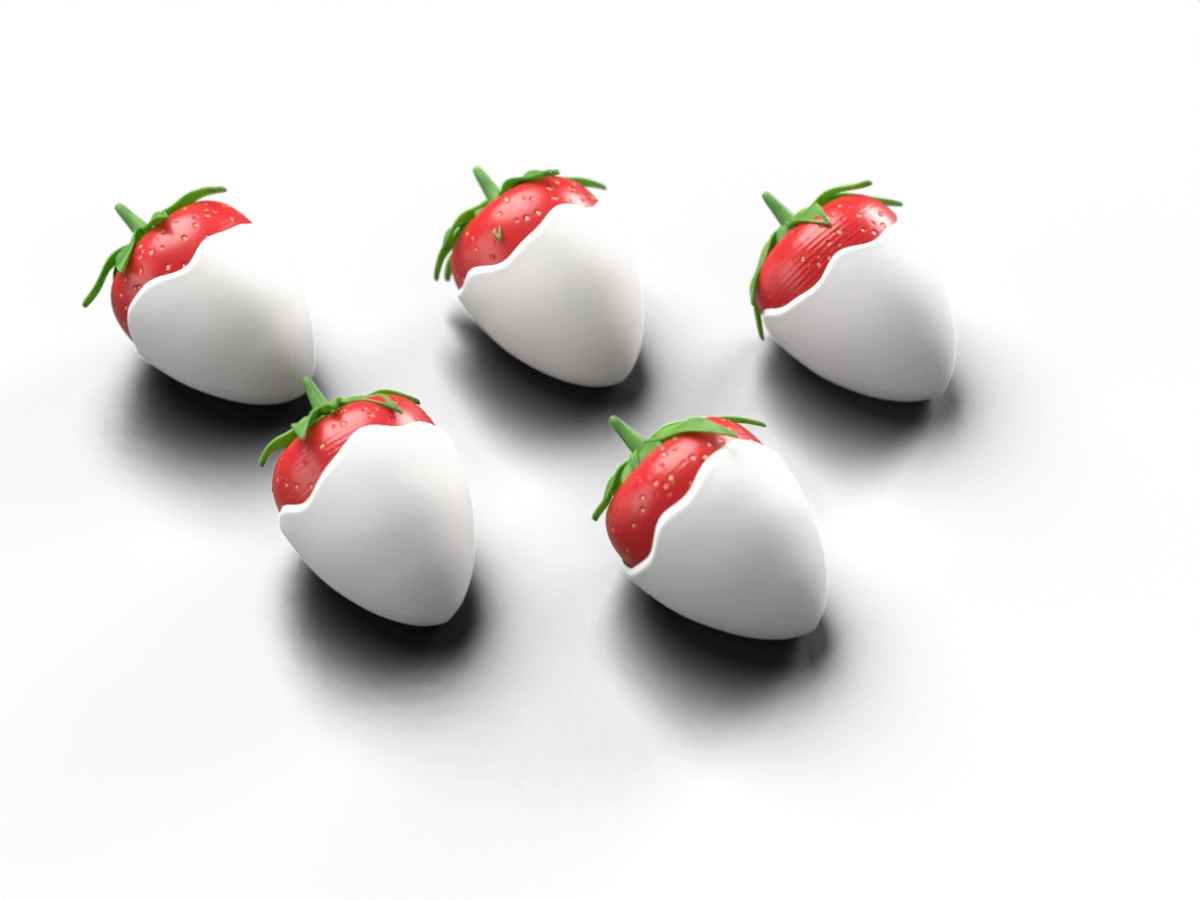 Deep colors
Red, black and navy candy coating
Why red turns pink and black turns gray in white coating, and the coating to start from instead.Read the guide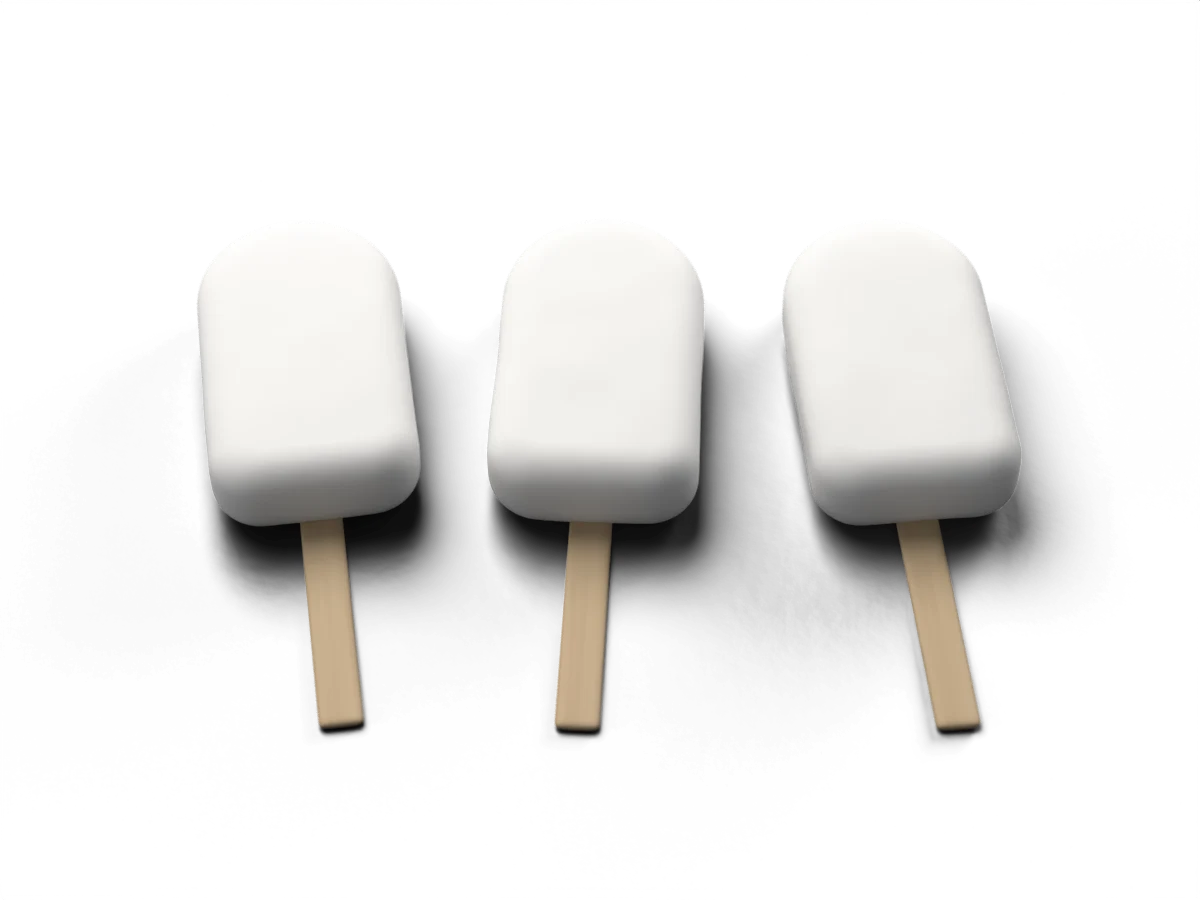 Pastels